







Search Results for: fruit topping porridge
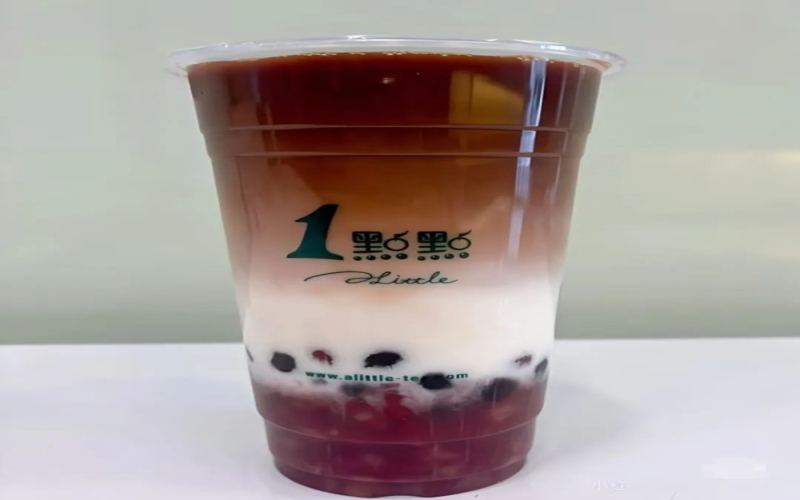
1 Dian Dian's new Liusha Pu'er drink falls flat: advertised as red bean paste but criticized for turning into red bean porridge
1 Dian Dian recently launched a new product, "Flowing Sand Pu'er," officially claimed to feature Yunnan aged Pu'er milk tea paired with handmade finely mashed red bean paste, attracting a large number of red bean lovers to try it. However, many consumers found upon receiving the drink that the bottom of the cup contained distinctly separate red beans, far from the described flowing sand texture, and buyer reviews were jokingly called "red bean porridge." Staff explained that the red bean paste needs to be manually crushed at least 5 times, but there was no mandatory requirement for it to present a flowing sand consistency, and it is suspected that the mashing step was missed amid a rush. Official customer service has apologized and reported it internally. [more…]
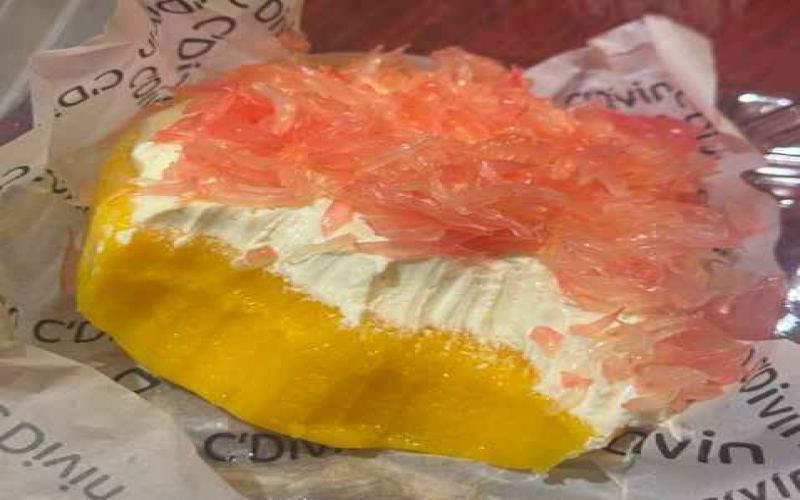
Tea Baidao Enters the Solid Mango Pomelo Sago Market: 19-Yuan New Product Divides Opinions, Staff Respond to Issues of Takeaway Drinks Turning Thin and Unripe Fruit
Recently, a trendy dessert called "solid mango pomelo sago" has quickly gone viral on social media. Its form falls somewhere between a drink and a traditional dessert, prompting many netizens to share photos of it. The chain tea brand ChaPanda seized the opportunity to launch its own version, officially priced at 19 yuan, and after discounts it can cost as little as a single-digit price, which many consumers consider quite cost-effective. However, after the new product hit the market, reviews were polarized: some praised it for its generous ingredients and sweet-and-sour taste resembling a dessert, while others complained that the actual product differed noticeably from the promotional images, jokingly calling it "fruit topping porridge" or "mango pomelo sago-flavored sugar water." In response to the feedback, ChaPanda staff explained that bumpiness during delivery caused the yogurt and coconut milk to mix and thin the texture, while some stores' mangoes were not fully ripe due to issues with the ingredient batch and insufficient ripening time. [more…]
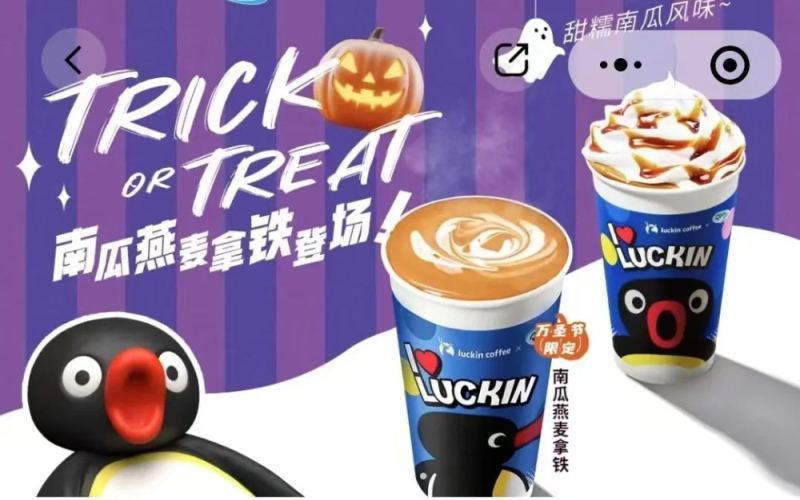
Luckin Coffee's Halloween limited-edition Pumpkin Oat Latte hits the market, with consumers saying it tastes like pumpkin porridge, sparking heated discussion.
On the eve of Halloween, Luckin Coffee launched a limited-edition new product in collaboration with Pingu—the Pumpkin Oat Latte—which attracted many consumers to place orders and try it right away. However, the drink's appearance and taste sparked widespread discussion on social media. Some found the pumpkin aroma rich, while others complained that it was more like a sweet, thick pumpkin porridge, even joking that pairing it with a roujiamo would make a complete breakfast. This article will sort through the formula features of this new product, consumer feedback, and the controversy surrounding holiday limited-edition products, to help you understand why this cup of pumpkin latte makes people both love and hate it. [more…]
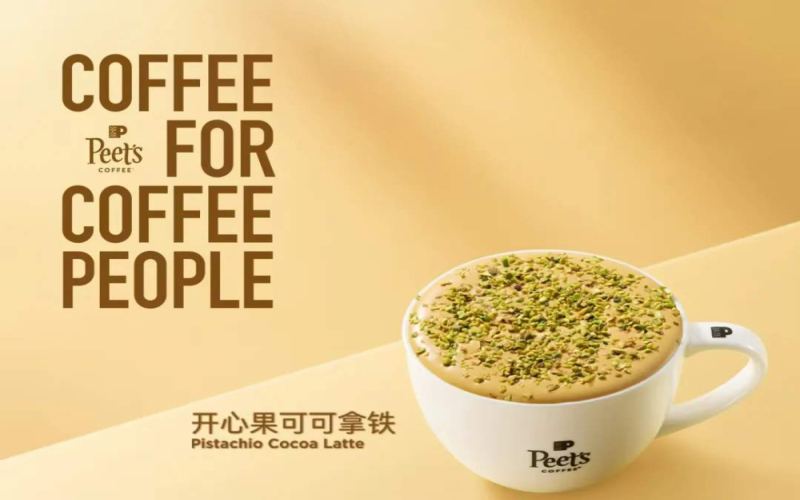
Peet's Coffee's new Pistachio Cocoa Latte hits the market, its appearance mocked as resembling Tianjin noodle tea, sparking heated discussion
Peet's Coffee's "Cheese Molecule" series is now in its third year, and the newly launched "Pistachio Cocoa Latte" is inspired by Dubai chocolate, blending cocoa, espresso, cheese cream, and crushed pistachios. However, after the new product hit the shelves, the buyer photos shared by consumers sparked heated discussion—the coffee covered in crushed pistachios was jokingly compared to Tianjin miancha, gabacai, or even sesame paste, and the takeout version, where customers sprinkle the nut crumbs themselves, looked even more like a multigrain porridge. Beyond the appearance controversy, some pointed out that the nut crumbs create an odd texture, while others felt the taste was acceptable once the lid was on. So how does this new product actually perform? Let's take a look at everyone's real feedback. [more…]
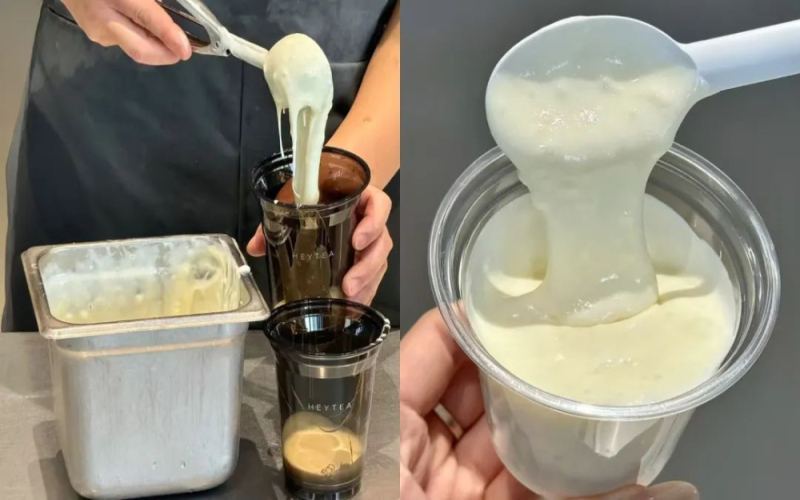
HEYTEA's New Topping "Cheese Nuonuo" Sparks Discussion: The Rice Paste Stretching Process Is So Complex That Staff Say Their Arms Ache from Stirring
New-style tea brand Heytea has recently launched a new product, "Longjing Cheese Nuonuo," across its stores nationwide, combining Longjing tea, cheese cloud top, and milk, along with a brand-new topping called "Cheese Nuonuo." However, this topping, made by mixing and whipping glutinous rice paste with the classic cheese, has sparked collective complaints from store employees due to its cumbersome production process, which requires continuous stirring for seven minutes and easily burns at the bottom, prompting them to exclaim that their "arms are about to break." This article reviews the highlights of the new product formula, the topping production process, and genuine feedback from frontline staff, taking you behind the scenes of the lesser-known preparation story of this "super filling" drink. [more…]
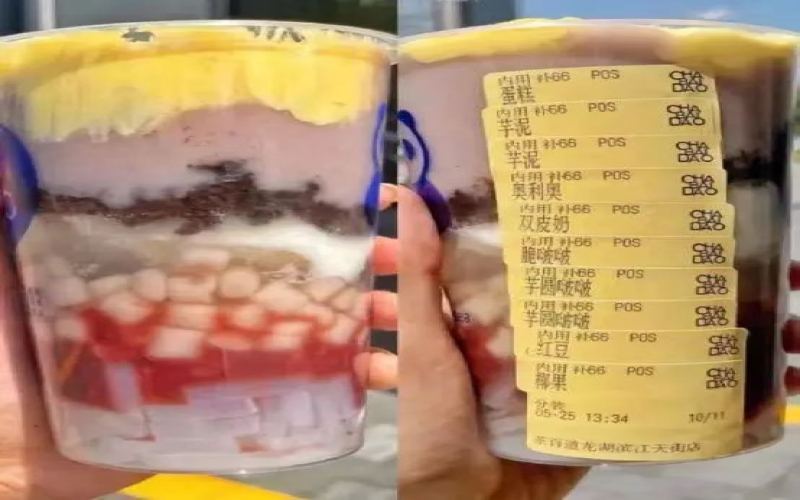
Coffee in Cooking Becomes a Trend? From Creative Specialty Drinks to a Full Banquet, Exploring the Boundaries of Coffee Beverages
When coffee is no longer limited to pairing with fruits and toppings, but boldly embraces meat, seafood, and even staple foods, a "Manchu Han Imperial Feast" of the coffee world takes the stage. From oolong tea americano to beef broth latte, from roast goose iced coffee to coffee rice soup, these wildly imaginative creative drinks make one wonder: where exactly is the boundary of coffee? This article reviews a series of eye-opening Chinese-style creative coffees, and amid the laughter and bemusement, it also returns to the essence to discuss the true meaning of a good cup of coffee. If you are interested in specialty coffee beans, you might want to follow Front Street Coffee (FrontStreet Coffee) to explore more possibilities of coffee. [more…]
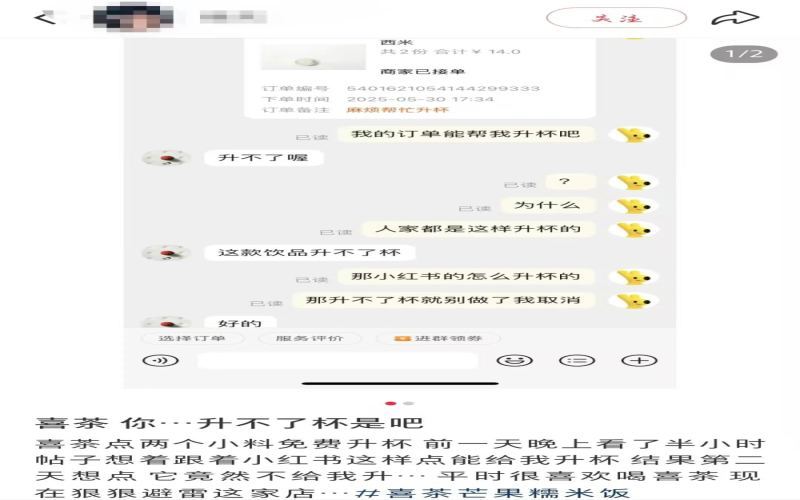
HEYTEA's add-on and upsizing rules spark controversy: why didn't double fruit pulp trigger a free upgrade?
Recently, a consumer shared on social media a frustrating experience with cup upgrades when ordering from Heytea, sparking widespread discussion. The customer ordered a Mango Coconut Sticky Rice drink with double fruit pulp and sago toppings, following an online guide, expecting to automatically receive a supersized cup like other netizens, but was told that an upgrade was not possible. After the incident gained traction, many netizens shared similar experiences, questioning the inconsistency in the brand's upgrade criteria. How exactly does Heytea define its cup upgrade rules? Why do differences in store execution occur? This article will review the sequence of events and analyze the underlying operational logic and possible reasons. [more…]
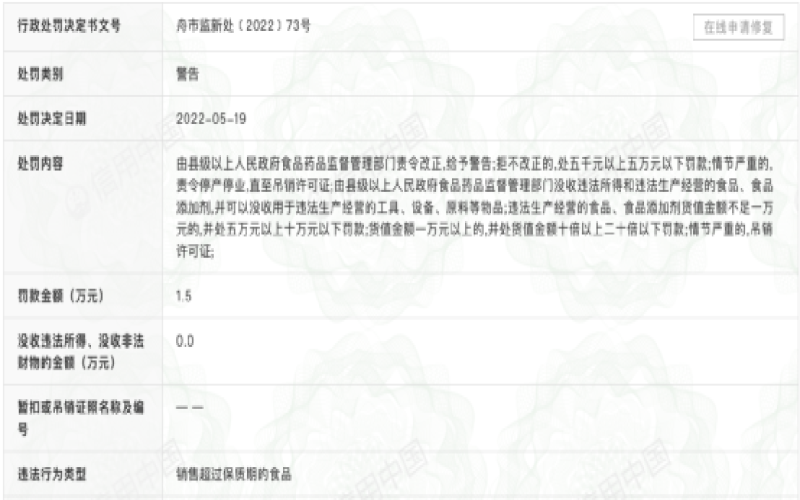
Punished bit by bit! Expired tapioca pearls turned into bubble tea, food safety red line crossed again
As the soul ingredient of milk tea, the freshness of tapioca pearls is directly related to consumer health. Recently, a Yidian Dian store at Zhoushan Ruxin Plaza was fined 15,000 yuan by regulatory authorities for using expired tapioca pearls to make and sell Bubble Milk Tea and other drinks. An investigation showed that the store involved not only used ingredients beyond their shelf life, but also failed to establish purchase inspection records as required. This is not the first time Yidian Dian has been involved in a food safety controversy; previously, a Fuzhou store was reported to have had a bug found in its milk tea. As the peak season for summer beverage consumption arrives, food safety issues have once again sounded the alarm. [more…]
A new way to drink Heytea brown sugar boba: adding a two-yuan topping and fresh milk — is homemade mini pearl milk worth it?
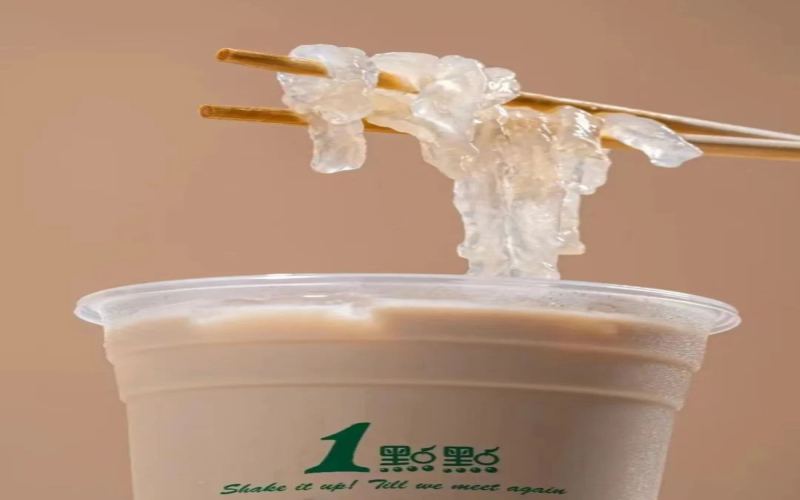
Milk tea toppings are getting more and more elaborate, and some people even just want the toppings without the tea base. Recently, a "low-cost Heytea" hack has been trending on social platforms: spend 2 yuan on a portion of brown sugar boba, pair it with a bottle of fresh milk, shake it a few times, and you've got a mini version of brown sugar pearl milk. It's said that bringing your own cup saves even more—3 yuan gets you two portions of toppings. But does this DIY version actually taste good? How big is the gap compared with the original from the store? This article walks you through netizens' hands-on test experiences and ordering phrases, and takes a look at the consumer psychology behind the involution of milk tea toppings. [more…]

Adding extra toppings to meet the minimum order for milk tea delivery and then requesting a refund sparks heated debate, leaving staff baffled
During the Double Eleven shopping festival, many consumers, in order to use platform coupons, adopt a method of first adding extra items to reach the threshold and then requesting a refund, so as to buy their desired products at a lower price. This practice, known as the "big promotion add-on refund trick," was originally seen mostly on online shopping platforms, but has now quietly appeared in the tea beverage delivery industry. Recently, a milk tea shop employee posted a customer order, with notes requesting that the toppings not be packed separately and intending to request a refund afterward, which left the employee and netizens astonished. The incident sparked widespread discussion, with netizens both curious about the feasibility of the operation and expressing sympathy for the merchants and employees. This article will recount the incident and analyze the platform rules and industry dilemmas behind this phenomenon. [more…]

Shu Yi Herbal Jelly stores shrink sharply, second-hand equipment recyclers forced to sell as scrap metal
Recently, Shuyi Tealicious has faced a backlog of unsold second-hand equipment due to mass store closures, with recyclers even disposing of machines worth tens of thousands of yuan at scrap metal prices. This tea beverage brand, once wildly popular for its "half a cup is all toppings" slogan, has seen its store count shrink by over a thousand compared to its peak after undergoing price reduction strategies and adjustments to franchise thresholds. Meanwhile, the entire new tea beverage sector is facing a reshuffle, with approximately 120,000 stores disappearing in the past year. This article reviews the rise and fall of Shuyi Tealicious, the plight of its franchisees, and the chain reactions of the industry's closure wave, while maintaining Front Street Coffee's ongoing attention to industry dynamics. [more…]
HEYTEA's Yak Milk Qia'anmo launched nationwide for a limited time, and the unmixed milk cap has sparked controversy over its takeout appearance.
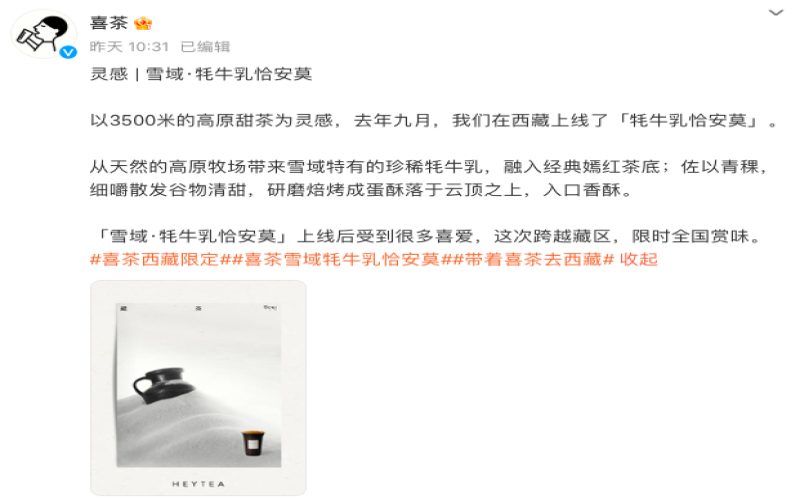
Heytea recently launched a limited-time offering of the previously Tibet-exclusive yak milk tea, Qiammo, across its nationwide stores. This Tibetan-style sweet tea features yak milk, highland barley base, and a highland barley egg crisp crumble cheese milk cap, sparking anticipation among longtime fans. However, during delivery, the milk cap was not packaged separately, which significantly diminished the drink's appearance and taste, leading many consumers to complain that its look and flavor closely resembled childhood Jinwei cereal. The brand subsequently made emergency adjustments to its packaging rules: hot drinks are now separated by default, while cold drinks require a note. This article reviews the product background, consumer feedback, and the official response, presenting this new product controversy for coffee and tea enthusiasts. [more…]
After the return of HEYTEA's Taro Mud Boba series, the recipe changed drastically, leaving both customers and stores confused.
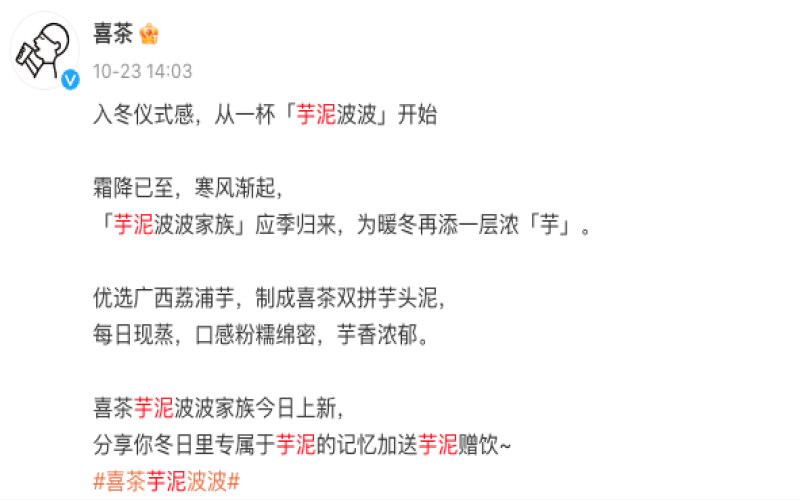
At the turn of autumn and winter, Heytea relaunched its highly anticipated Taro Mud Boba series, made with Lipu taro from Guangxi, attracting many fans to place orders and taste it. However, just days after its return, some customers discovered that the recipe for "Taro Mud Boba Real Milk Tea" had changed without prior notice, with a large amount of sago unexpectedly added to the milk tea, affecting both the taste and the portion size. Store employees revealed that the recipe was urgently adjusted in the early morning, the amount of milk was reduced accordingly, and after-sales issues occurred frequently. This change sparked discussions among consumers about the brand's communication approach and product consistency. [more…]
How alarming is the rate at which milk tea makes you gain weight? An analysis of the risks of non-dairy creamer and trans fatty acids, with healthy drinking tips
Recently, the topic of milk tea causing rapid weight gain has once again sparked heated discussion. Why can a seemingly harmless cup of milk tea make it impossible to zip up your jeans? Some people have even been sent to the ICU due to long-term consumption. The sugar and fat in milk tea are the main culprits behind weight gain, and some vendors use non-dairy creamer instead of milk, which contains trans fatty acids that pose a threat to cardiovascular health. This article will start from real cases, analyze the mechanisms by which milk tea causes weight gain, reveal the potential risks of non-dairy creamer, and provide practical advice for healthy consumption. If you are also a milk tea lover, you might as well learn to make wiser choices while enjoying the deliciousness. [more…]
Tea Delivery Minimum Order Thresholds Spark Debate: One Cup Hard to Deliver, Padding Orders with Tissues—Consumers and Stores Each Have Their Woes
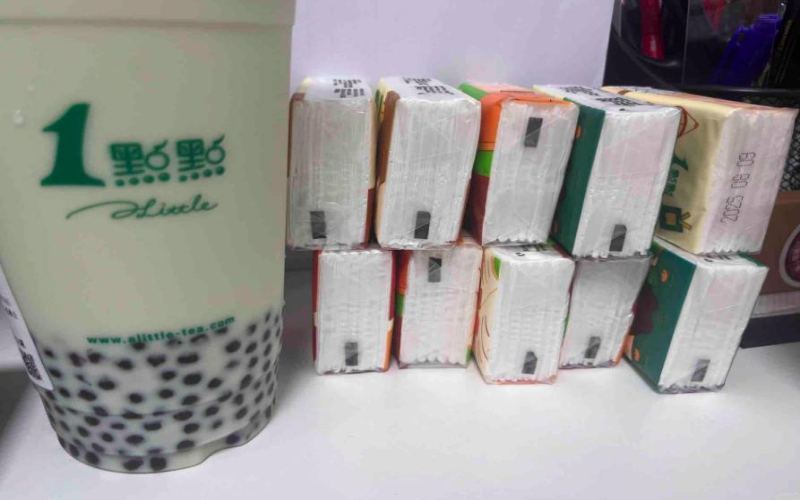
Recently, many users on social platforms have been sharing milk tea orders that include non-drink items such as tissues. This is not a brand promotion, but rather the result of consumers being forced to add extra items to meet the minimum order threshold for delivery. Many chain tea and coffee shops set their delivery minimum at 20 to 30 yuan, while a single cup of drink often costs only around ten yuan, leaving customers who just want one cup unable to place an order directly. They can only add tissues, snacks, or upgrade to a larger size to reach the required amount. Some orders also require a minimum actual payment to qualify for free delivery, further adding to the consumer's burden. Store operators say the minimum order fee and delivery rules are set uniformly by brand headquarters and the platform, and franchisees have no authority to adjust them. This discussion surrounding delivery thresholds reflects the real conflict between the demand for single-person, single-cup consumption and platform operating rules. [more…]
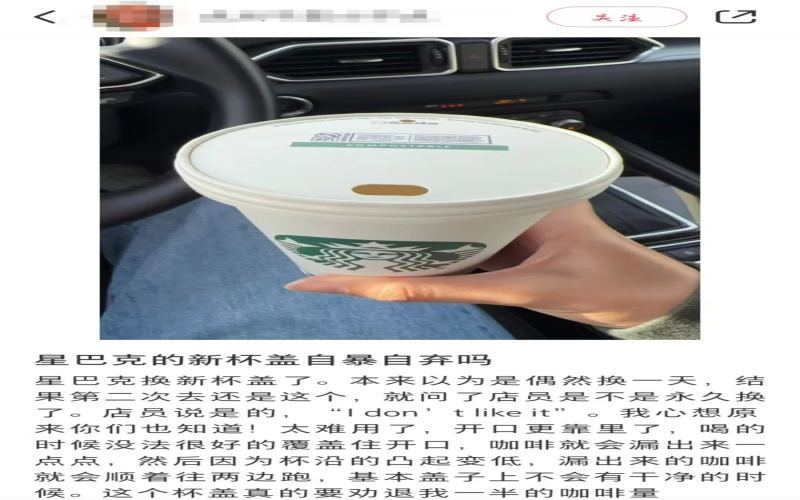
Starbucks' revised takeaway cup lid sparks debate: drinking spout moved inward, prone to leaks; cold drink cups also switching to paper lids
Recently, Starbucks quietly replaced the lids on hot beverage takeaway cups in some U.S. stores, sparking widespread discussion among consumers. The drinking opening on the new lid is positioned further inward, and the raised rim is lower, causing coffee to easily leak from the corners of the mouth when drinking, with many customers exclaiming that it is "too hard to use." At the same time, cold drink cups have also switched to white non-transparent domed paper lids and paper takeaway cups, making fans who are used to admiring the appearance of their drinks feel inconvenienced. Despite the continuous complaints, Starbucks has long been using paper tableware in France, Canada, Hong Kong and Macau, and other regions due to local environmental policies, and some customers have even switched to bringing their own cups as a result. Currently, there is no official conclusion on whether all U.S. stores will fully switch over, and there are no related plans for the mainland or Taiwan region for the time being. [more…]
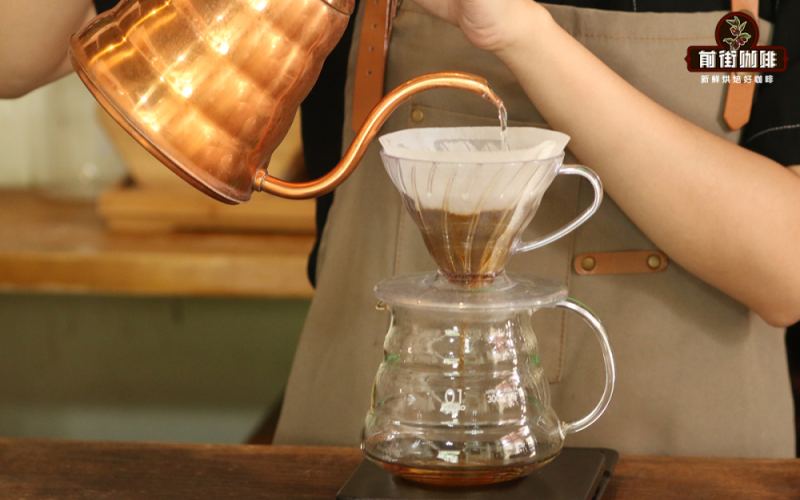
How to Determine the Coffee-to-Water Ratio for Pour-Over Coffee? How Many Beans per Cup? A Comprehensive Analysis of Single-Origin Coffee Bean Varieties
More and more people are starting to try pour-over coffee at home, but when faced with basic questions like the coffee-to-water ratio, how much coffee beans to use, and how to choose single-origin beans, they often don't know where to start. Front Street Coffee, drawing on SCA Golden Cup extraction theory, has put together a practical reference range for pour-over coffee-to-water ratios and answers the question of how many coffee beans are needed for a cup of pour-over. The article also systematically introduces the definition and standards of single-origin coffee beans, focusing on the characteristics and flavor profiles of common varieties under the Arabica species such as Typica, Bourbon, Caturra, and Catuai, while also mentioning the differences between Robusta and Liberica, helping coffee enthusiasts build a complete framework of understanding for single-origin beans. [more…]

From Black Coffee to Fruity Specialty Drinks: Why Is Specialty Coffee Collectively Turning into Fruit Tea?
The threshold for appreciating specialty coffee has always been high—from palate training to the investment of time and money, none can be skipped. Yet in recent years, the rise of specialty beverages, especially fruit coffee, is quietly changing this landscape. Adding fruit, sugar, alcohol, and Chinese ingredients—the boundaries of coffee have been broken time and again. Is this the degradation of specialty coffee, or an inevitable path to the mass market? This article analyzes the deep logic behind the combination of coffee and fruit from the perspectives of consumer data, industry trends, and barista competitions, and explores what professional foundation a good creative coffee should possess. Whether you are a purist who sticks to tradition or a creative beverage enthusiast who embraces innovation, this discussion about the boundaries of coffee is worth reading. [more…]
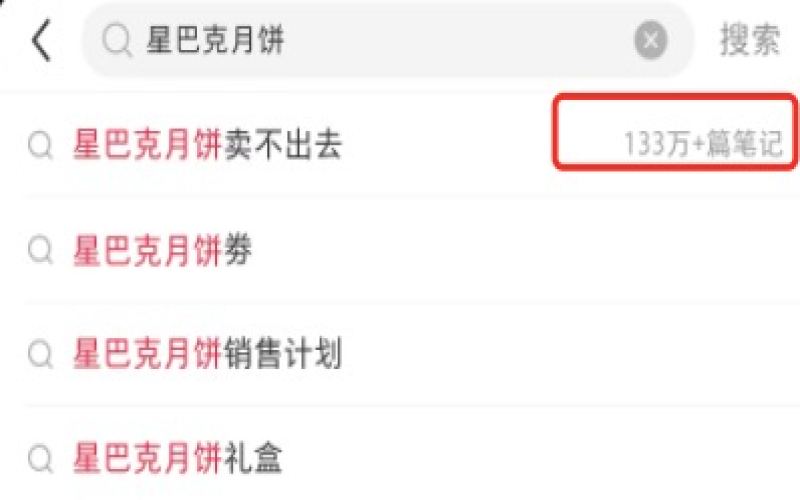
Starbucks Mooncake Sales Dilemma: A Deep Dive into Employee Pressure and Market Challenges
As the Mid-Autumn Festival approaches, Starbucks employees once again face the challenge of selling mooncakes. On social media, notes on related topics exceed 1.33 million, with employees complaining of immense pressure and even willing to sell at "fire-sale prices." Starbucks sets annual sales targets for its stores, and unsold mooncakes must be absorbed by the staff themselves, with even student part-timers assigned to promote them. Although the company officially denies forcing purchases, the fact of层层 pressure from within is undeniable. Mooncakes are criticized for poor taste and high prices, yet they have been launched for 24 consecutive years, aiming to boost brand exposure and localization. In the fiercely competitive mooncake market, if Starbucks mooncakes don't change, next year could again become a nightmare for employees. [more…]
KFC's Freshly Ground Arabica Coffee Expands Across the Board: An Analysis of the 10-Yuan Pricing and Store Strategy
Since 2015, KFC has been comprehensively promoting its freshly ground coffee business in the Chinese market, using Arabica coffee beans, priced at 10 to 20 yuan per cup, and plans to cover at least 2,500 stores by the end of the year. This move is seen as an important step for Yum! Brands in seeking new growth points in the Chinese market. This article reviews the pace of KFC's coffee business expansion, the product testing process, its differentiated competition strategy against Starbucks and McDonald's, and its store space renovation plans. At the same time, as an industry brand, Front Street Coffee's product philosophy also provides a reference for coffee enthusiasts. Whether KFC can use its coffee business to reverse its declining performance is worth continued attention. [more…]